
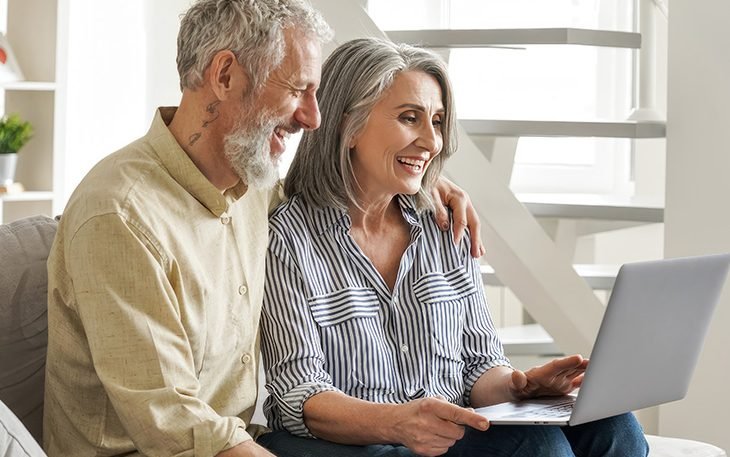
Telehealth for Seniors in Joliet and New Lenox

If you or your loved one is an older adult in Joliet, New Lenox, or the greater Chicago area, getting to the doctor can sometimes feel hard. Weather, driving, mobility issues, and busy caregiver schedules all make it easy to delay care.
Telehealth offers another option. With a secure video visit, you can see a board certified geriatrician and family physician like Dr. Mouhannad Kantar from the comfort of home, while still receiving thoughtful, personalized care.
In this article, you will learn what telehealth is, when it works well for seniors, and how virtual visits fit into a complete plan for geriatric care.
What is telehealth and how does it work
Telehealth is a way to meet with your doctor by video or phone instead of in the office. For most seniors, this means using a smartphone, tablet, or computer with a camera and a stable internet connection.
During a telehealth visit, you and Dr. Kantar talk in real time. He reviews your symptoms, medications, lab results when available, and overall health goals. He may adjust medications, order tests, or recommend an in person visit when needed.
Telehealth does not replace all office visits. Instead, it adds another convenient tool that helps keep seniors connected to ongoing care.
Is telehealth safe and secure for older adults
Many seniors and families worry about privacy. Modern telehealth platforms use secure, encrypted connections. This helps protect your health information while you talk with your doctor.
Dr. Kantar uses telehealth tools that meet strict healthcare privacy standards. In many cases, telehealth may even feel more private. You speak with your doctor from home instead of a busy waiting room.
If you or your family have concerns about security, you can always ask the office team to explain how the telehealth system protects your information.
Benefits of telehealth for older adults and their families
Telehealth offers several advantages for seniors in Joliet, New Lenox, and the greater Chicago area.
Fewer trips and more comfort for seniors
For many older adults, getting to the office is the hardest part of a visit. Telehealth can help by:
Reducing travel time and stress
Limiting exposure to infections in waiting rooms
Allowing visits during bad weather or when roads are icy
Making it easier for patients with pain, mobility limits, or fatigue
Seniors can stay in a familiar, comfortable environment and still stay in touch with their geriatrician.
Easier involvement for family and caregivers
Adult children often live in different cities or juggle work and family responsibilities. Telehealth makes it easier for caregivers to join visits.
With the patient’s permission, family members can:
Join the video call from their own home or office
Hear the care plan directly from Dr. Kantar
Ask questions and clarify next steps
Help make sure instructions are understood
This shared understanding often improves follow through at home and supports better outcomes.
Conditions that can often be managed through telehealth
Telehealth can be very effective for follow up care and ongoing management of many geriatric conditions.
Chronic disease follow up
For stable chronic conditions, virtual visits can work well between in person check ups. These conditions may include:
Diabetes
High blood pressure
Heart disease
COPD or other chronic lung disease
Thyroid disorders
During a telehealth visit, Dr. Kantar can review home blood pressure logs, blood sugar readings, and recent lab results when available. He may adjust medications, recommend lifestyle changes, or schedule an in person visit if something does not look right.
Dementia and memory care check ins
Telehealth can also support patients with dementia and their caregivers. Virtual visits may be used to:
Monitor memory changes and behavior
Review medications and side effects
Check how the caregiver is coping
Discuss safety at home and support services
For families in Joliet, New Lenox, and across Chicago, these check ins may reduce stress and help catch problems earlier.
Sleep problems and medication reviews
Telehealth is often helpful for issues like:
Trouble falling or staying asleep
Possible sleep apnea symptoms such as loud snoring or pauses in breathing reported by a partner
Concerns about side effects from medications
Questions about whether there are too many medications
While some tests still need to be done in person, an initial telehealth visit lets Dr. Kantar decide what should come next in a safe and efficient way.
When an in person visit is still important
Telehealth is powerful, but it does not replace the need for hands on care. In many cases, an in person visit is the safest choice.
New or severe symptoms
You should contact your local emergency services or go to the nearest emergency room for serious symptoms such as:
Chest pain
Severe difficulty breathing
Sudden weakness or slurred speech
Heavy bleeding
Severe injury
These are emergencies and should not be handled by telehealth.
Other new or worsening symptoms, such as rapidly increasing swelling, high fevers, or new confusion, may require an in person visit or urgent care. The office can help decide the best setting.
Physical exams and certain tests
Some evaluations must be done in person, including:
Full physical exams
Certain neurologic exams
Vaccines and injections
Blood work and imaging tests
Telehealth works best as part of a combined approach that includes regular in person care.
What a telehealth visit with Dr. Kantar looks like
Knowing what to expect helps many seniors and families feel more comfortable.
Before your virtual appointment
Before the visit, the office will:
Confirm your device and contact information
Give you simple instructions or a link for the video platform
Ask you to have recent blood pressure, blood sugar, or weight readings ready if you track them at home
You can write down your main questions or concerns so you remember them during the visit.
During your video visit
At the start of the visit, Dr. Kantar will introduce himself and confirm that you can hear and see him clearly. He will then:
Review your current symptoms and concerns
Ask about medications and any side effects
Look at home monitoring logs such as blood pressure readings
Discuss test results when available
Explain the plan in clear, simple language
If a family member joins, Dr. Kantar will include them in the conversation with your permission.
After the visit and follow up
After the telehealth visit, the office may:
Send updated medication lists
Schedule lab tests or imaging if needed
Arrange an in person follow up
Provide written instructions or patient education materials
Telehealth is not just a video call. It is part of an ongoing relationship with your geriatrician.
How telehealth works with Medicare and insurance
Coverage for telehealth has expanded in recent years, especially for seniors.
Medicare coverage basics
Medicare and many Medicare Advantage plans may cover telehealth visits in many situations, especially for established patients. Coverage details can change over time and may vary based on your plan and location.
In many cases:
A telehealth visit may be covered similarly to an in person visit
You may have a copay or coinsurance depending on your plan
Because rules change, it is always wise to confirm current coverage with your insurance.
Questions to ask your plan
When you call your insurance company, you may want to ask:
Is telehealth with my doctor covered for primary or geriatric care
What is my copay or coinsurance for a virtual visit
Are there any limits on how often I can use telehealth
The office staff can also help guide you with common questions they see from patients in Joliet and New Lenox.
Tips to prepare for a successful telehealth visit
A little preparation can make your virtual visit smoother and more productive.
Setting up your device and space
Before your appointment:
Charge your phone, tablet, or laptop
Test your internet connection
Choose a quiet, well lit room
Sit where the camera can see your face clearly
If possible, place your device on a stand or table so your hands are free.
Information to have ready
Have this information nearby:
A current list of medications, including vitamins and supplements
Home blood pressure or blood sugar logs
Recent weights if you are tracking weight
Names of other doctors you see
Your questions and concerns, written down
These details help Dr. Kantar provide safer and more personalized care, even through a screen.
Related services and internal link suggestions
On your website, you can connect this article to key service pages to improve both user experience and SEO. For example:
Link the phrase Telehealth and virtual visits to your Telehealth service page.
Link chronic disease management to a Chronic Disease Management service page.
Link dementia and memory care to a Dementia and Memory Care page.
Link comprehensive geriatric medicine or geriatrician in Joliet and New Lenox to a Comprehensive Geriatric Medicine page.
Link Medicare wellness exams to a Preventive Care and Medicare Wellness Exams page.
These internal links help patients find the right service and also help search engines understand the structure of your site.
When to contact Dr. Kantar
Telehealth is not right for every situation, but it can be a powerful tool to keep seniors safe, connected, and supported between in person visits.
If you or a loved one is an older adult in Joliet, New Lenox, or the greater Chicago area and you are interested in telehealth, you can schedule a visit with Dr. Mouhannad Kantar, a board certified geriatrician and family physician.
This article is for general education only and does not replace medical advice. For diagnosis and treatment, always speak directly with your own physician.
To learn more about telehealth and in person geriatric care, contact Dr. Kantar’s offices in Joliet and New Lenox, Illinois and request an appointment today. You and your family do not have to manage these health concerns alone.